The 2025 Ramay-Macatee Event Featuring Landman’s Christian Wallace

The Bridge Street History Center’s 2025 Ramay ~ Macatee Speaker Series is proud to welcome Christian Wallace, Co-Creator and Executive Producer of the smash hit LANDMAN.

Join us for an unforgettable evening as Wallace shares how his hit podcast Boomtown struck storytelling gold and gushed into the acclaimed series LANDMAN. From the oil patch of West Texas to the bright lights of Hollywood, Wallace brings behind-the-scenes stories, roughneck wisdom, and wildcatter grit. Hear how real-life experiences from the energy frontier continue to fuel his writing and storytelling.

The Bridge Street History Center is honored to bring such a dynamic and authentic voice to this year’s speaker series! Reception immediately following.

Get Your Tickets Now!

BSHC Social Media Posts

Comments Box SVG iconsUsed for the like, share, comment, and reaction icons

What Was Christmas Like in Hood County Over 100 Years Ago?

In the late 1800s and early 1900s, Christmas in Hood County was a quieter, more personal occasion than it is today. As Granbury and the surrounding countryside grew, the holiday gradually shifted from a modest observance into a more family-centered celebration.For many Hood County families, Christmas offered a welcome pause from long days of farm work, ranching, and small-town labor. It was a time to slow down, gather at home, and focus on faith, family, and community.Railroads reaching nearby towns made travel easier, allowing relatives who had moved away for work to return home for the holidays, though many celebrations still happened close to home, often within walking or wagon distance.By the late 1800s, Christmas trees began appearing in some Hood County homes, churches, and schools. Borrowed from German traditions, these trees were decorated simply with candles, fruit, popcorn strings, sweets, and handmade ornaments.The image of Santa Claus we recognize today also began taking shape during this era, influenced by popular illustrations that gave him his familiar red suit and friendly appearance.Christmas cards became more common as printing and postage grew more affordable, allowing families to send holiday greetings to loved ones near and far.Christmas meals depended largely on a family’s means. While wealthier households might serve turkey, many Hood County families enjoyed simpler meals made from what they raised or preserved themselves.A century ago, Christmas looked very different depending on a family’s circumstances. The children pictured in many historic photographs were often from well-to-do families. Wealthier children might receive store-bought dolls, books, or toys, while others were grateful for small treats like apples, nuts, or homemade gifts.Yet for many in Hood County, the true spirit of Christmas wasn’t found in what was under the tree, but in togetherness, tradition, and gratitude.📷AI Enhanced SMU Digital Libraries ... See MoreSee Less

What Was Christmas Like in Hood County Over 100 Years Ago?

In the late 1800s and early 1900s, Christmas in Hood County was a quieter, more personal occasion than it is today. As Granbury and the surrounding countryside grew, the holiday gradually shifted from a modest observance into a more family-centered celebration.

For many Hood County families, Christmas offered a welcome pause from long days of farm work, ranching, and small-town labor. It was a time to slow down, gather at home, and focus on faith, family, and community.

Railroads reaching nearby towns made travel easier, allowing relatives who had moved away for work to return home for the holidays, though many celebrations still happened close to home, often within walking or wagon distance.

By the late 1800s, Christmas trees began appearing in some Hood County homes, churches, and schools. Borrowed from German traditions, these trees were decorated simply with candles, fruit, popcorn strings, sweets, and handmade ornaments.

The image of Santa Claus we recognize today also began taking shape during this era, influenced by popular illustrations that gave him his familiar red suit and friendly appearance.

Christmas cards became more common as printing and postage grew more affordable, allowing families to send holiday greetings to loved ones near and far.

Christmas meals depended largely on a family’s means. While wealthier households might serve turkey, many Hood County families enjoyed simpler meals made from what they raised or preserved themselves.

A century ago, Christmas looked very different depending on a family’s circumstances. The children pictured in many historic photographs were often from well-to-do families. Wealthier children might receive store-bought dolls, books, or toys, while others were grateful for small treats like apples, nuts, or homemade gifts.

Yet for many in Hood County, the true spirit of Christmas wasn’t found in what was under the tree, but in togetherness, tradition, and gratitude.
📷AI Enhanced SMU Digital LibrariesImage attachment

Joe Nutt, c. 1920’s.

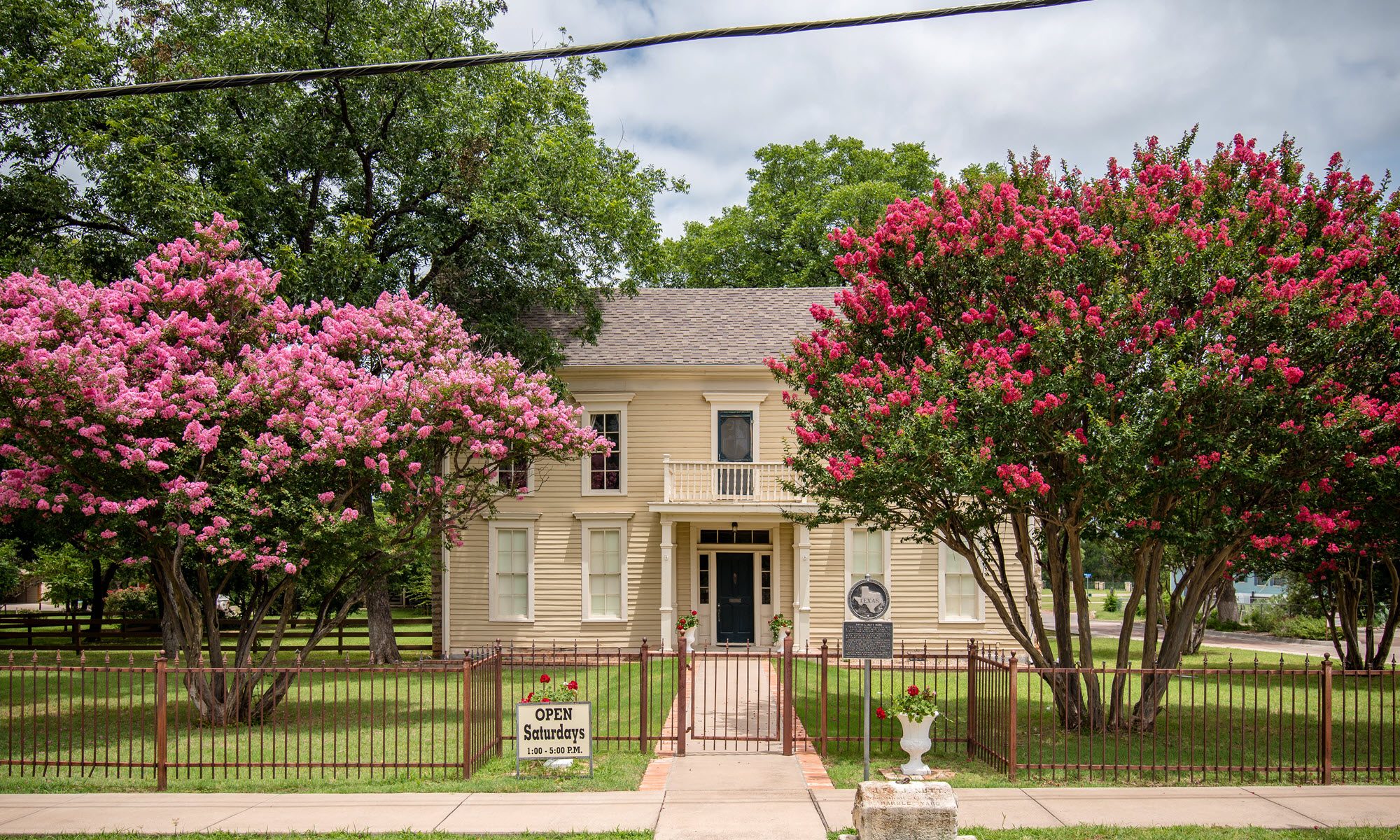
At about thirteen years old, Joe Nutt stands before his family home now the Bridge Street History Center. Dressed in knickerbockers, long stockings, a collared shirt, tie, and wide-brimmed hat, he wears the polished winter attire typical of well-dressed boys of the early 1920’s.Such portraits were often taken on special occasions, capturing children in their finest rather than everyday clothes. In adulthood, Joe became a leader in Granbury’s preservation movement, helping restore the downtown square and the historic Nutt House with his cousin Mary Lou Watkins. Photo provided by author historian Melinda Jo Ray. ... See MoreSee Less

Joe Nutt, c. 1920’s. 
At about thirteen years old, Joe Nutt stands before his family home now the Bridge Street History Center. Dressed in knickerbockers, long stockings, a collared shirt, tie, and wide-brimmed hat, he wears the polished winter attire typical of well-dressed boys of the early 1920’s.
Such portraits were often taken on special occasions, capturing children in their finest rather than everyday clothes. In adulthood, Joe became a leader in Granbury’s preservation movement, helping restore the downtown square and the historic Nutt House with his cousin Mary Lou Watkins. 
Photo provided by author historian Melinda Jo Ray.

In the 1950s, children across America (including right here in Granbury!) were unwrapping a brand new kind of play, the colorful “modeling compound” that started as wallpaper cleaner before finding its true purpose under the Christmas tree.

With its clean, non-toxic formula and that unforgettable scent, Play-Doh became a holiday favorite for sparking creativity from rolling tiny snowmen to shaping cowboy hats and toy cars like the little girl in this vintage photo.Do you remember opening a can of Play-Doh on Christmas morning and that aroma? 🎁 ... See MoreSee Less

In the 1950s, children across America (including right here in Granbury!) were unwrapping a brand new kind of play, the colorful “modeling compound” that started as wallpaper cleaner before finding its true purpose under the Christmas tree.

With its clean, non-toxic formula and that unforgettable scent, Play-Doh became a holiday favorite for sparking creativity from rolling tiny snowmen to shaping cowboy hats and toy cars like the little girl in this vintage photo.

Do you remember opening a can of Play-Doh on Christmas morning and that aroma? 🎁Image attachmentImage attachment

🌸Honoring a Granbury Legend🌸

If you’ve ever strolled the Square, you’ve likely met her, the statue of Mary Lou Watkins, proudly ringing her dinner bell outside The Nutt House Hotel. Mary Lou wasn’t just a business owner; she was the heart of hospitality in Granbury. Her community spirit, and famous buttermilk pie made the Nutt House a beloved destination for generations of visitors.As we pass her statue this season, decked out in holiday cheer, we remember a woman whose recipe for life and pie still warms Granbury today. 🔔 ... See MoreSee Less

🌸Honoring a Granbury Legend🌸
If you’ve ever strolled the Square, you’ve likely met her, the statue of Mary Lou Watkins, proudly ringing her dinner bell outside The Nutt House Hotel. 

Mary Lou wasn’t just a business owner; she was the heart of hospitality in Granbury. Her community spirit, and famous buttermilk pie made the Nutt House a beloved destination for generations of visitors.

As we pass her statue this season, decked out in holiday cheer, we remember a woman whose recipe for life and pie still warms Granbury today.  🔔
Let’s ask Jake Caraway. 
https://youtube.com/shorts/PRdBkd4uXzc?si=l_zIh_NdSTs8vg_b
Load more