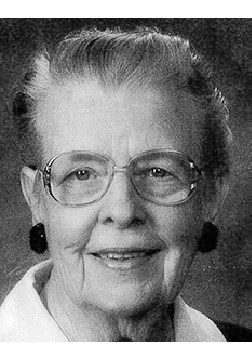
Hood County News Article About Vircy Macatee
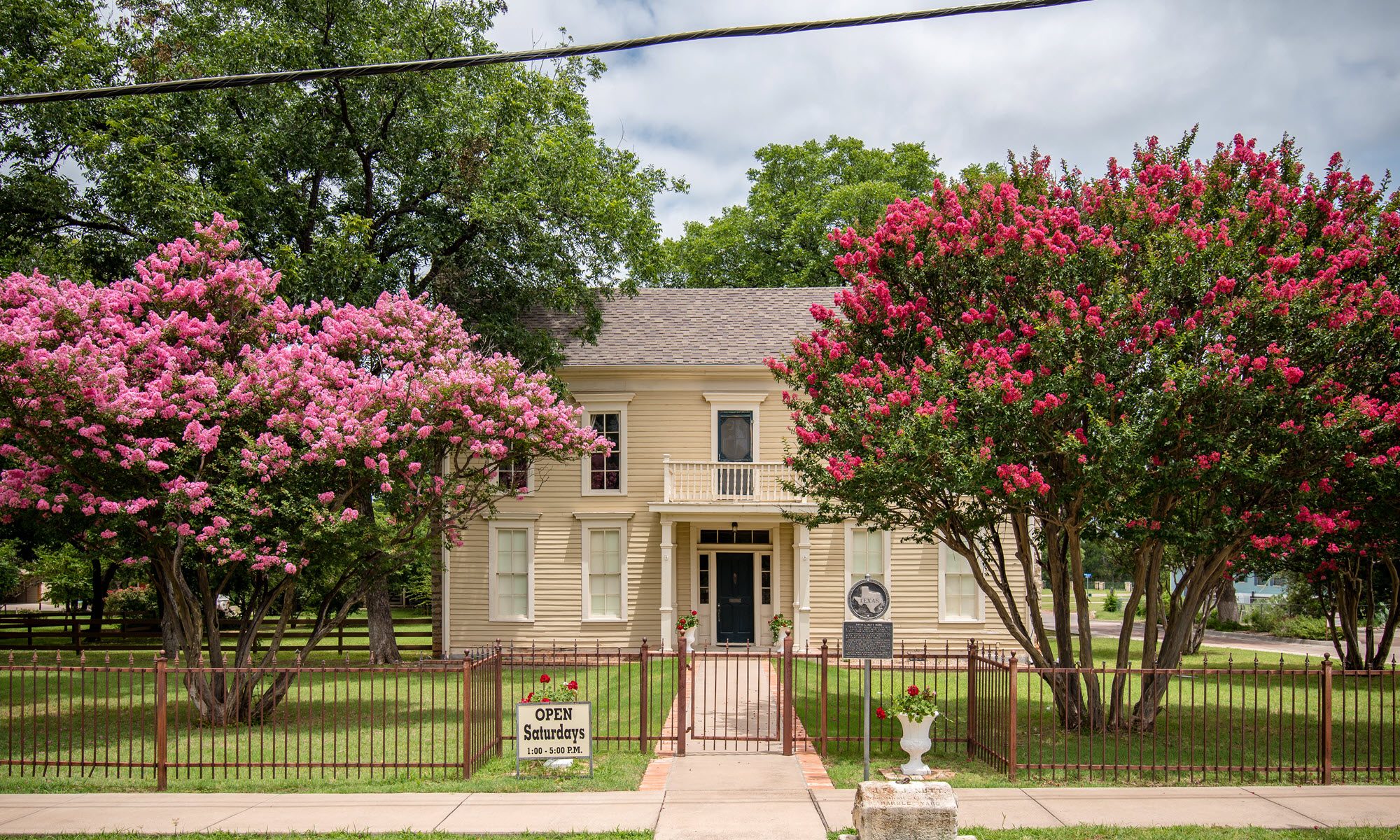
The Vircenoy Macatee Collection Archives are housed at The Bridge Street History Center in Granbury, Texas.
The Vircenoy Macatee Collection is a meticulously cataloged archival repository documenting the personal and family history of Vircenoy (Vircy) Macatee alongside the broader heritage of Hood County, Texas. This compilation features a diverse array of genealogical records, including handwritten family trees, birth and death certificates, and correspondence regarding the Baker family lineage. Significant historical documents are also present, such as 19th-century voter registrations and original 1890 meeting minutes for the construction of the Granbury, Texas courthouse. Beyond administrative files, the collection preserves intimate memorabilia ranging from mid-century school photographs and diplomas to rare images of early life on the Baker Ranch. This catalog functions as both a familial legacy and a vital resource for understanding the local development and social fabric of Granbury over several decades. Together, these items offer a comprehensive look at a private life intertwined with the preservation of community history.
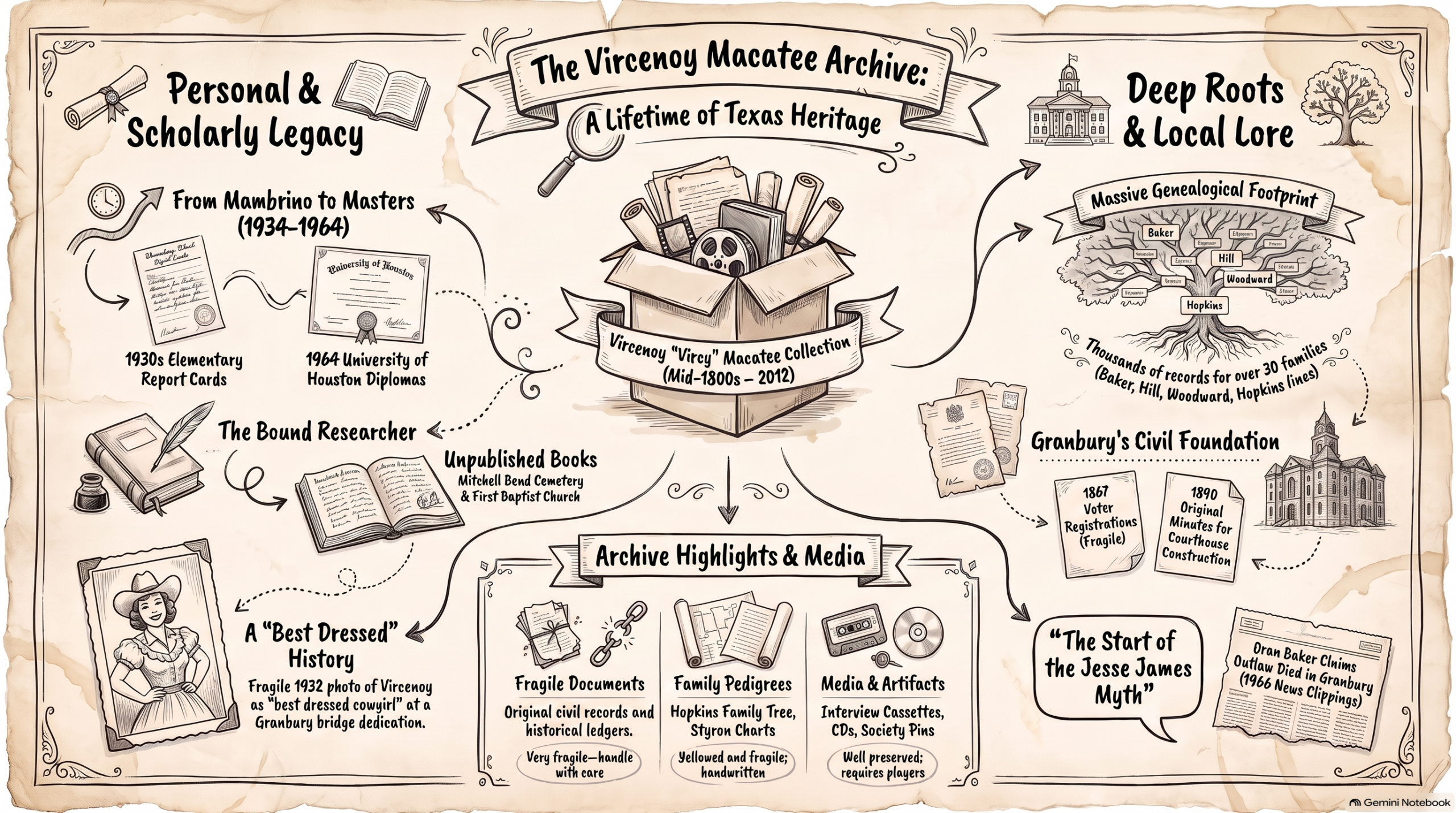
Inside the Vircy Macatee Collection
A lifetime of Hood County history, in ten drawers
Vircenoy “Vircy” Baker Macatee spent decades doing what most of us only mean to do: she wrote it all down, and then she kept it.
Born into a Hood County family that arrived here before the Civil War, Vircy grew up attending the little Mambrino school, graduated from Cleburne High School in 1942, earned degrees from Texas State College for Women and the University of Houston, and then turned her attention to the past. She wrote books that were never commercially published but were carefully bound and meticulously footnoted. She badgered archives across the country by letter and, later, by email. She rescued a forgotten cemetery from the brush and got a state historical marker placed on it. She saved her report cards from 1937.
One of the founding benefactors of the Bridge Street History Center, Vircy left her entire working archive to the museum. It fills ten file drawers, roughly 350 folders, and several hundred catalogued items, with dates running from an 1853 land deed to material as recent as 2012.
Below is a guide to what’s in it. If a name, a place, or a family line catches your eye, there’s a good chance Vircy already chased it down for you.
Granbury and Hood County history
The heart of the collection for anyone researching this community.
-
Original public records
-
Hood County voter registration forms from 1867 — Reconstruction-era originals
-
Original minutes of the Commissioner’s Court awarding the contract for the courthouse, 1890
-
Franklin County (TN) court records and Somervell County maps gathered for comparison
-
-
Photographs of the town
-
The Hood County courthouse and the old jail
-
The Granbury Square
-
Memorials, monuments, and memorial bricks around town
-
-
Vanished and rural communities
-
Johnson’s Stop / Johnsonville / Nemo — including a research paper Vircy wrote herself
-
The Mambrino school district, one of Hood County’s many one-room country schools (Hood County Genealogical/Historical Society) — original 1930s records, report cards, and class photographs from 1934 and 1936
-
-
Civic and commemorative history
-
The General Hiram Granbury monument and United Daughters of the Confederacy Chapter #683, with photographs of antique swords
-
Newspapers covering Granbury’s centennial in 1966
-
Founding paperwork for the local heritage center, plus “Hood Heritage” files and correspondence
-
-
Essays and oral histories
-
Interviews and personal essays on the old Hood County jail, John St. Helen, the history of Hood County, and an oral history of Vircy’s mother, Fern Baker
-
The Mitchell–Truitt feud and Mitchell Bend Cemetery
Vircy’s largest single research project, and arguably the collection’s most compelling material. The 1874 shooting of the Truitt brothers led to the hanging of 79-year-old Nelson “Cooney” Mitchell in 1875 — the only legal public execution ever carried out in Hood County (Hood County Historical Society), and a feud that ran on for more than fifty years (Fayette County Record).
-
Court documents — copies of The State of Texas vs. Bill Mitchell (two sets), the Bill Mitchell appeal, the Nelson Mitchell appeal, and the D.A. Shaw appeal, several of them annotated in Vircy’s hand
-
Mitchell family research — compiled family history, photographs, and years of correspondence with descendants
-
The cemetery itself
-
Photographs of what appears to be every grave in Mitchell Bend Cemetery
-
Interview notes and an unlabeled cassette tape of an interview
-
The complete draft manuscript of Vircy’s cemetery book, unbound, alongside the finished bound copy
-
-
The historical marker campaign — Texas Historical Commission correspondence, the 1990 dedication ceremony, photographs of Vircy at the unveiling, her ceremony speech, a script for a narrated “VCR tour” of the grounds, and the maintenance agreements that followed
Granbury’s legends
-
Jesse James in Granbury. A 1966 Hood County News-Tablet clipping headlined “Former Sheriff of Hood County Thinks Real Jessie James Died in Granbury.” The sheriff in question was Vircy’s own father, Oran Baker — making this file a possible starting point for the local tradition that Jesse James lived out his life here as J. Frank Dalton (Weird, Wacky & Wild). The folder also holds the research Vircy later gathered on the legend.
-
John St. Helen. Essays and articles on the mysterious 1870s saloon bartender many still believe was John Wilkes Booth (City of Granbury).
-
The Mambrino racehorse. Vircy’s files on the famous trotting horse Mambrino — and her open question about whether the school and community took their name from him.
Law, order, and military service
-
Sheriff Oran Baker — original photographs of him and of the Hood County jail, apparently while still in use; his 1948 campaign card for Sheriff and Tax Collector; his original death certificate
-
A World War II daily labor sheet, dated July 18, 1945, listing prisoners of war held in the Dallas–Fort Worth area
-
Military service records for Oran Christopher Baker (World War I) and Oran Clinton Baker (Korea)
-
Daughters of the American Revolution “Cross of Military Service” documentation
Vircy’s own life
-
A handwritten personal and family history in her own words — one of a kind
-
School years: Mambrino class photos, original 1937 report cards, Cleburne High School 1942 material including a signed yearbook, and 1942 graduation portraits
-
College: Texas State College for Women (now TWU) memorabilia, and original cards, the 1964 commencement program, and her original University of Houston diploma
-
A 1932 photograph of Vircy as “Best Dressed Cowgirl” in a parade dedicating a Granbury bridge
-
Awards, commendations, recognitions, degrees, and records of the many organizations she belonged to
-
Family life — photographs, newspaper clippings, and greeting cards spanning the 1930s to the 2000s, including cards she wrote to her husband, Johnnie Macatee
-
Her final arrangements, and photographs of the memorials placed around town in her memory
Family history and genealogy
The bulk of the collection, and a genealogist’s dream. Vircy traced her lines back through Texas, Tennessee, Rhode Island, and colonial America, and kept everything she found.
-
Core families: Baker, Barker, Hopkins, Woodward, Hill, Mills, White, Word
-
Allied and researched lines: Brookes, Bryson, Christopher, Glanton, Hooper/Hopper, Joslin, Layton, Macatee, Matterson, Parsons, Royse, Scott, Shippee, Stewart, Styron, Uttley, Wallace, Weaver, Whaley
-
Record types you’ll find
-
Handwritten pedigree charts and family group sheets, plus typed clean copies
-
Wills (including the will of John Mills), estate inventories, and marriage, birth, and death certificates
-
Transcriptions from family Bibles, including the Woodward family Bible
-
Decades of correspondence — letters as early as 1959, then printed emails — with museums, county clerks, state archives, and distant cousins
-
Photocopies of the Barnes papers from the Tennessee State Archives
-
Printouts of genealogy websites that no longer exist, preserved only because Vircy printed them
-
Family reunion invitations, obituaries, and newspaper clippings
-
A full list of the known descendants of John White
-
How-to articles on genealogical research from the 1980s, useful now as a snapshot of pre-internet method
-
Lineage society records
A remarkably complete set of application and proof files, valuable both as genealogy and as a record of how these organizations documented Texas ancestry.
-
Daughters of the American Revolution (DAR) — Fern May Baker, Joaae Hill, Obediah Hooper, Richard B. Hooper, William Hopkins, William Mills, William White, Christopher Woodward, Jordan Woodward, Grace Woodward, Charles Word, Jonathan Glanton Sr.
-
Daughters of the Republic of Texas (DRT) — Fern May Baker, John Baker, Walter E. Baker, William Hopkins Baker, William Barker, Abiah Hopkins, Allen Hill, Lucinda Hill, Mariah Mills, Sarah Uttley, Clarissa Woodward, William Dabney Woodward
-
Sons of the Republic of Texas (SRT) — Clinton Dean Baker, Walter E. Baker
-
United Daughters of the Confederacy (UDC) — Lucinda Baker, William Hill, William Styron, Ambrose E. Christopher
-
National Society of Colonial Dames XVII Century — Thomas Joslin, Henry Matterson, Hugh Parsons, Headley Charlemagne
-
A collection of society pins — DAR, SAR, SRT, and UDC
Land, property, and deeds
-
Baker family deeds documenting the family homeplace back to 1853
-
The complete title history of Vircy’s own Granbury home
-
Baker family cemetery plot records — including the paperwork on plots reserved for the family that were mistakenly sold to another couple
-
History of Texas Land, the Commissioner of the General Land Office publication, in full
Vircy the author
Vircy wrote and self-produced several bound volumes. The collection preserves not just the books but the entire process behind them.
-
The books: Mitchell Bend Cemetery; a History of First Baptist Church; the “Baker Book”; the “Barker Book”; and Sketches
-
Drafts and originals: handwritten sketches, edited typescripts, unbound pre-print manuscripts, and multiple revisions across the years
-
Audio and digital: three CDs of supplementary material for the books, plus a CD that appears to be a reading of one of them
-
The business of small-press history: interest forms, order lists, contributor letters, receipts, gift lists, correspondence with libraries she hoped would shelve her work — and a folder of polite rejections
Formats in the collection
-
Original photographs and photographic reprints
-
Handwritten notebooks, notes, and letters
-
Newspapers and clippings
-
Certificates, diplomas, deeds, and court documents
-
Printed emails and printed web pages
-
One audio cassette and several CDs
-
Three-dimensional items: society pins, school artifacts, and awards
A note for researchers
Vircy was a working researcher, not a professional archivist, and her files reflect that in ways that are honestly part of their charm.
-
Duplicates are common. Vircy kept copies, and often copies of copies. Roughly a quarter of the folders are marked as duplicates of material held elsewhere in the collection.
-
Originals and reproductions are mixed. Some photographs and documents are originals; others are reprints or photocopies, and a few are difficult to tell apart. Our catalog flags these where we can.
-
Condition varies. Most material is well preserved. Some handwritten notebooks have faded ink, and a few photocopies were poor quality to begin with.
-
Some questions are still open. Vircy left notes to herself about connections she hadn’t confirmed and documents she couldn’t read. Those loose ends are an invitation.
Interested in visiting the collection?
The Vircy Macatee Collection is held at the Bridge Street History Center in Granbury, Texas. A detailed folder-level catalog is available, and staff can help you locate material on a specific family, place, or topic. Please contact us to ask about access or to arrange a research visit.
The Bridge Street History Center collects, preserves, and interprets the life stories of the people of Granbury and Hood County, and examines how they illuminate the history of our region, the State of Texas, and America.